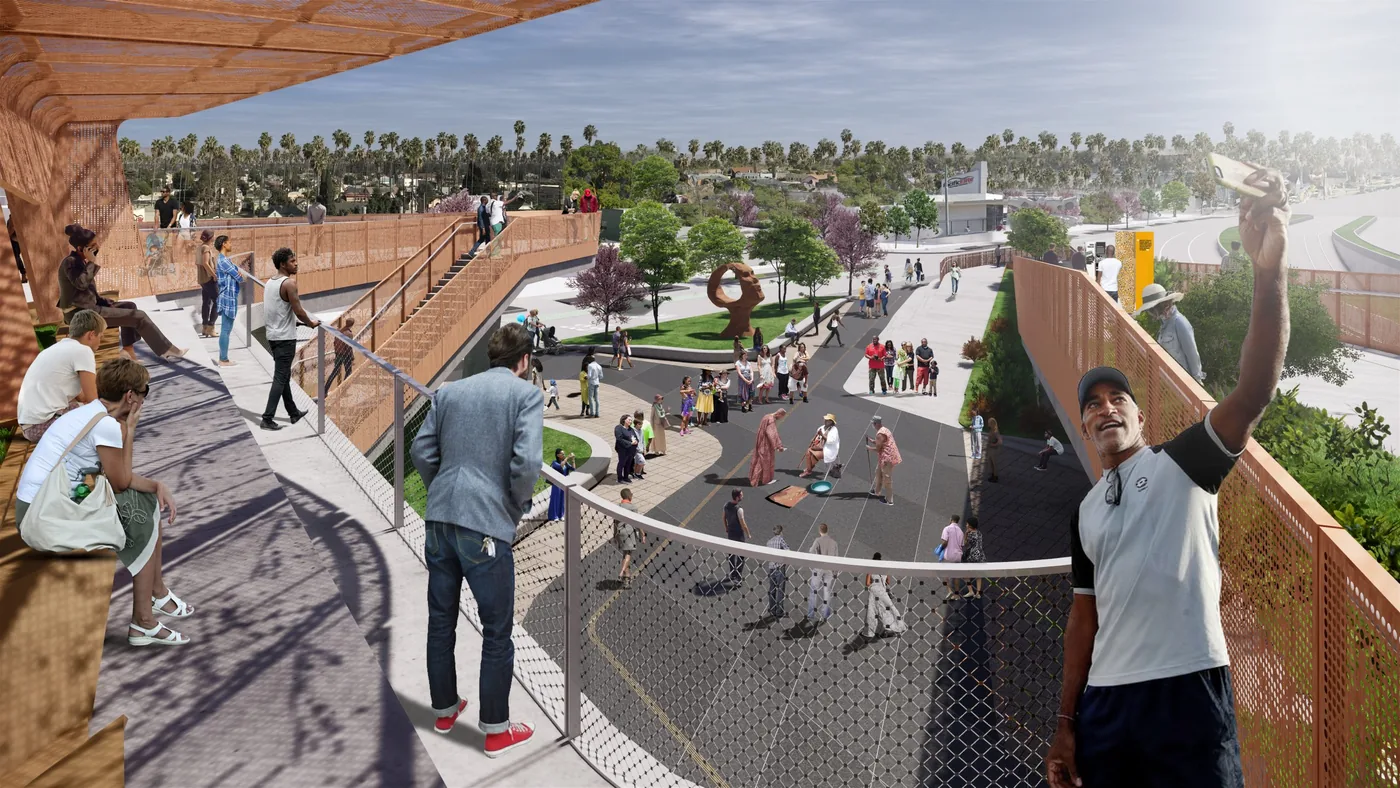
The Adams Presidential Center
How do you turn democracy from an idea into something people feel they own?
- Institution
- Adams Presidential Center
- Location and Date
- Quincy, MassachusettsConcept Development, 2026
- Role
- Executive Creative DirectorCompleted at G&A
- Press
- Responsibilities led
- Institutional strategy and visioningBrand and narrative directionVisitor experience conceptionBoard and client engagement
Overview
The center presents democracy not as a finished inheritance, but as a responsibility renewed by each generation. The lives and ideas of the Adams family connect the nation’s founding debates to the choices citizens face today. Immersive storytelling and participatory experiences invite visitors to see themselves as active participants in democracy.
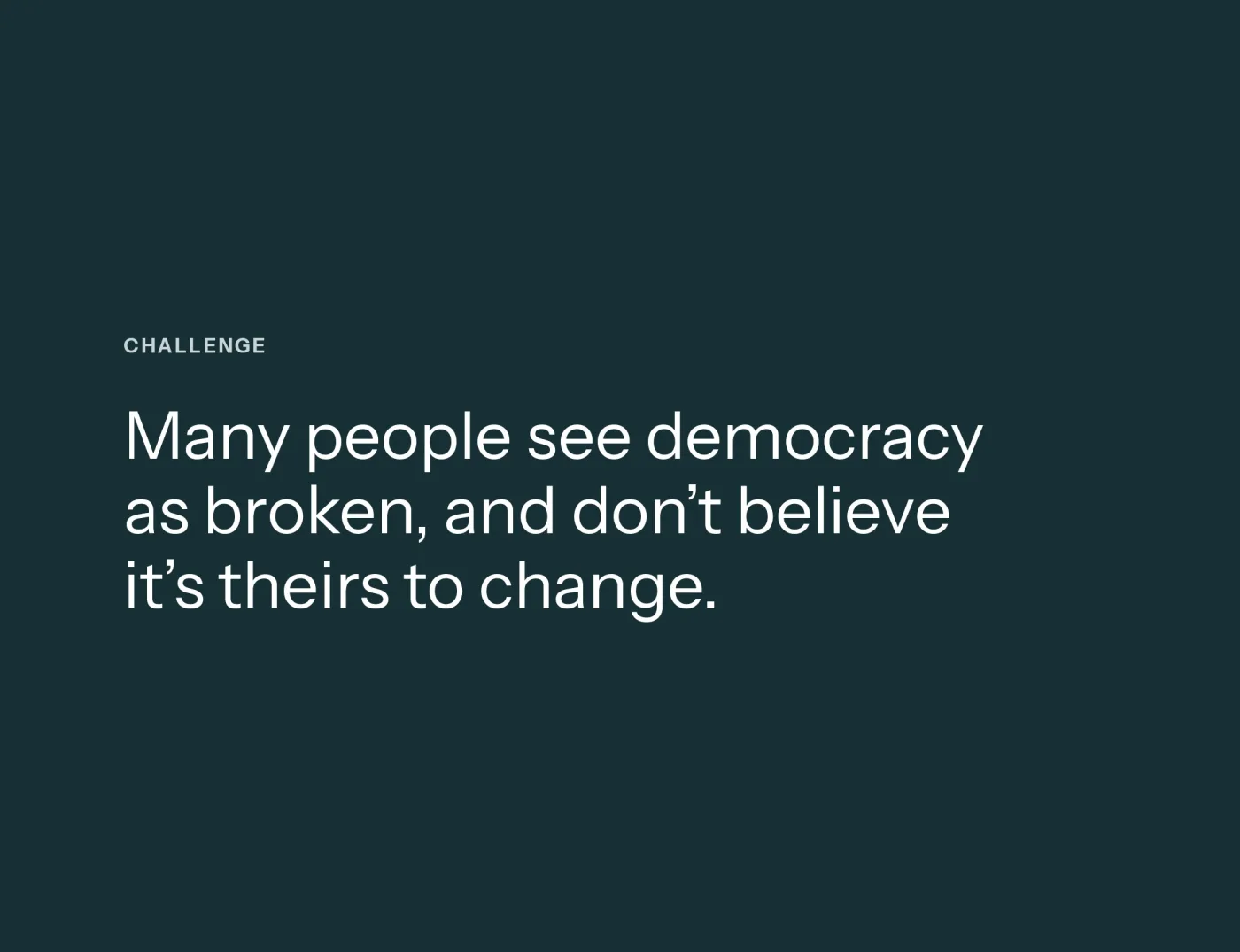
For many people, democracy feels distant: noise and spectacle, someone else’s job. A presidential center could easily become one more monument to admire from afar. This one starts from a working theory: when people meet history at human scale and see a clear way to act, they try. When they try, they come back.
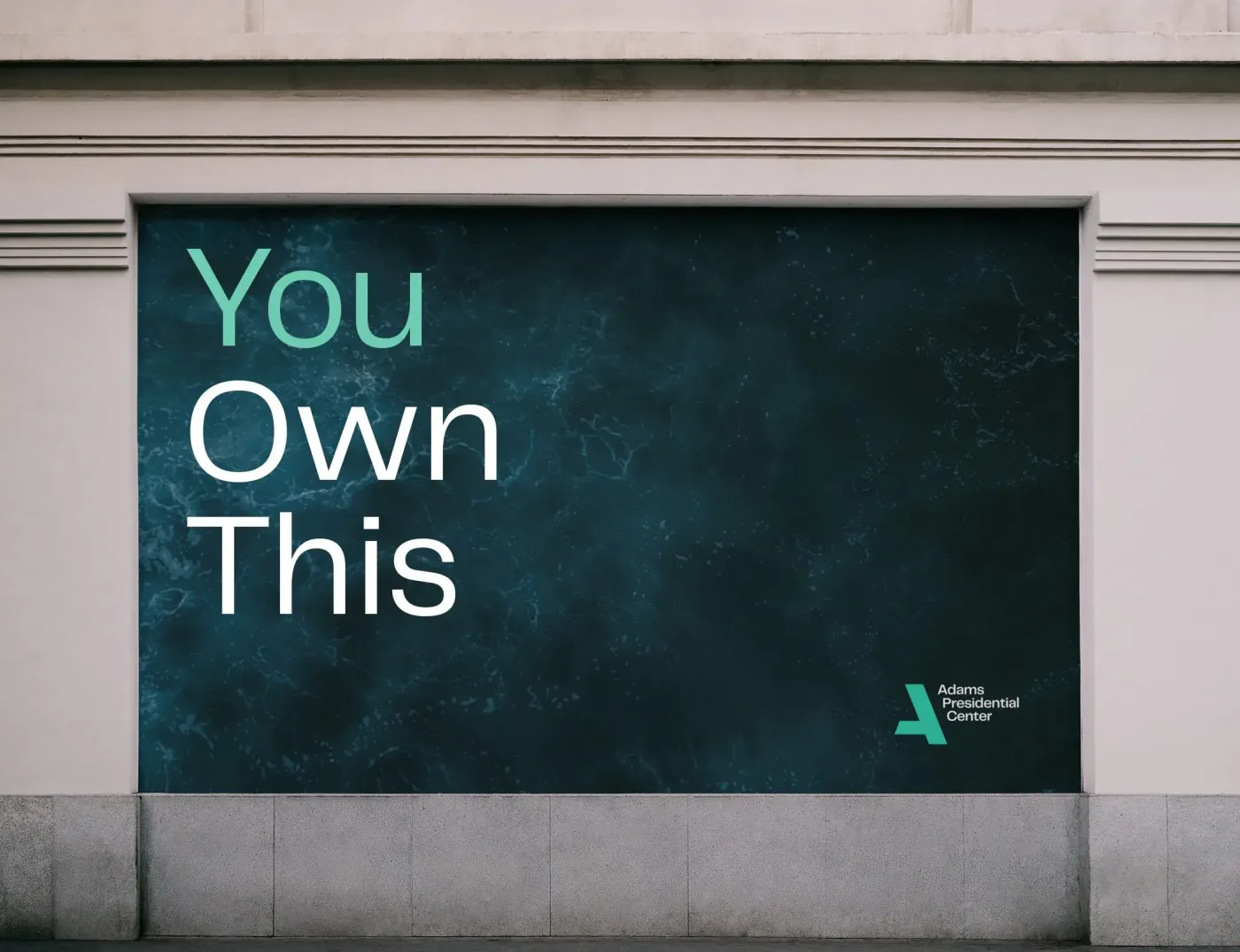
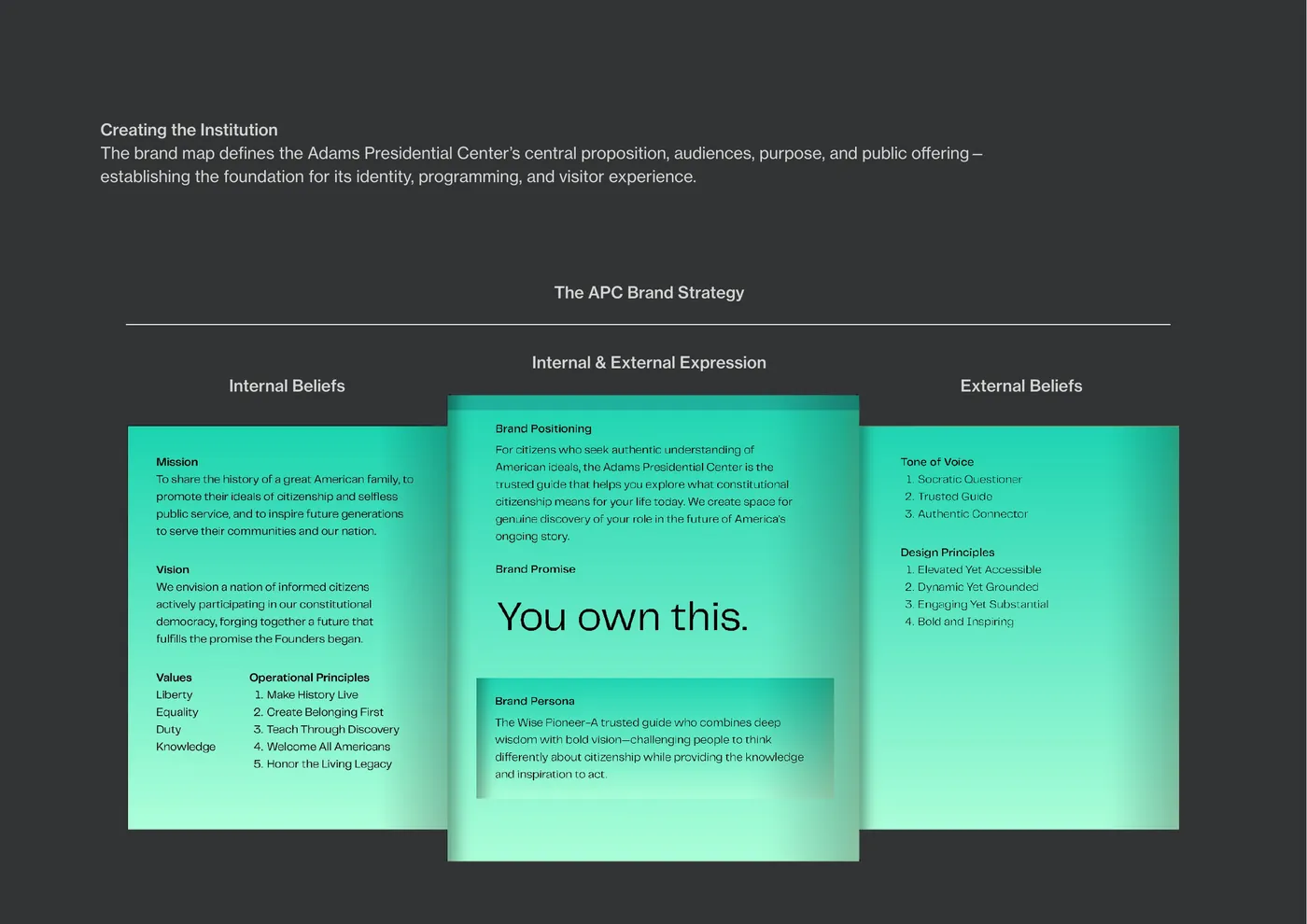
I worked with the center’s leadership and board to connect its institutional ambitions to a clear public promise: You own this. I led the development of that promise across brand, narrative, and visitor experience, giving the team a shared basis for deciding what the center should offer and how people would participate.
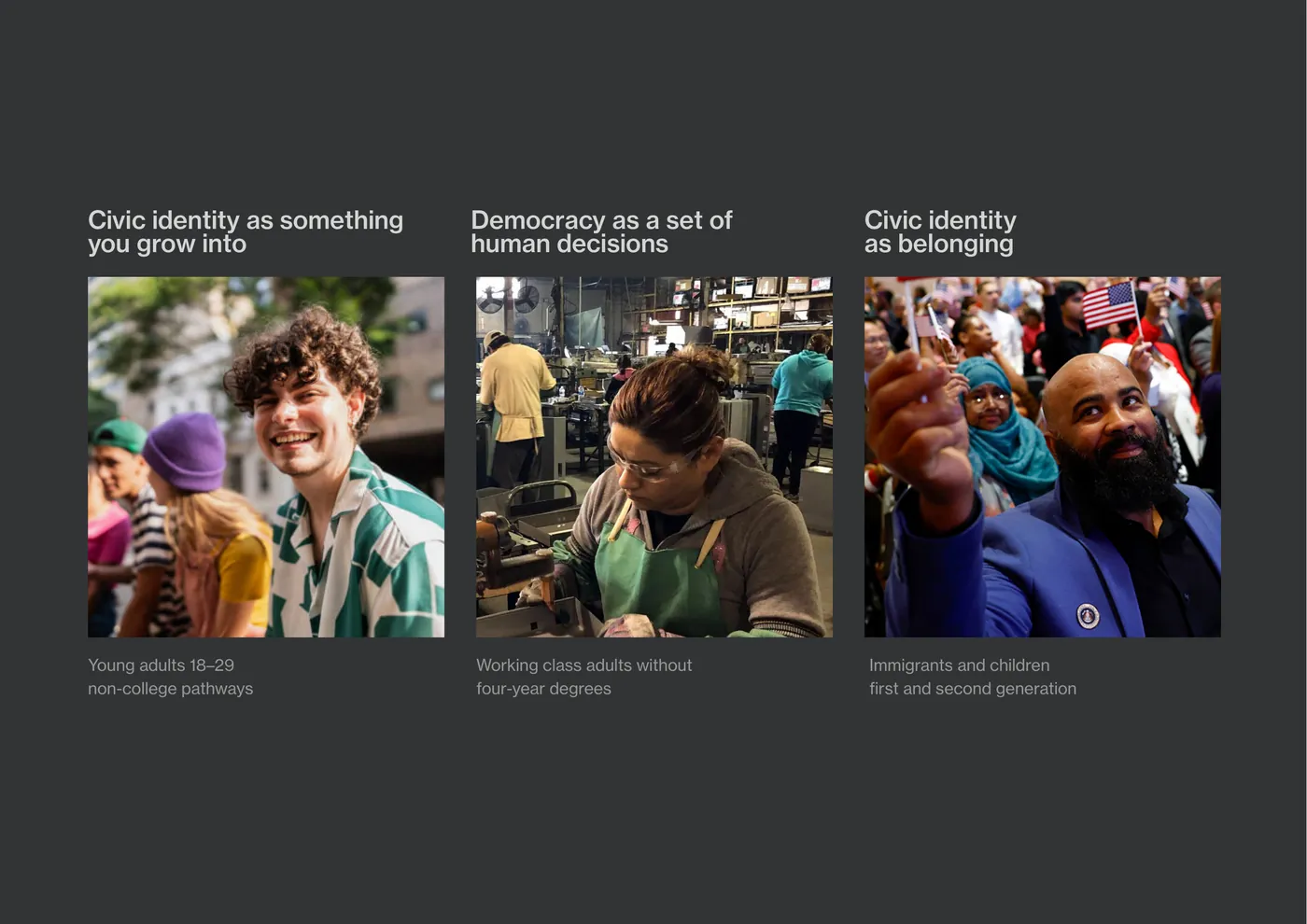
Who it's for
The center is shaped around three audiences, each with its own way into civic identity.
You own this
The center’s promise is three words: You own this. It is both the message and the design rule. Every experience gives visitors something to do, not just something to see. Success is measured by what people do after they leave, not only by how many come.
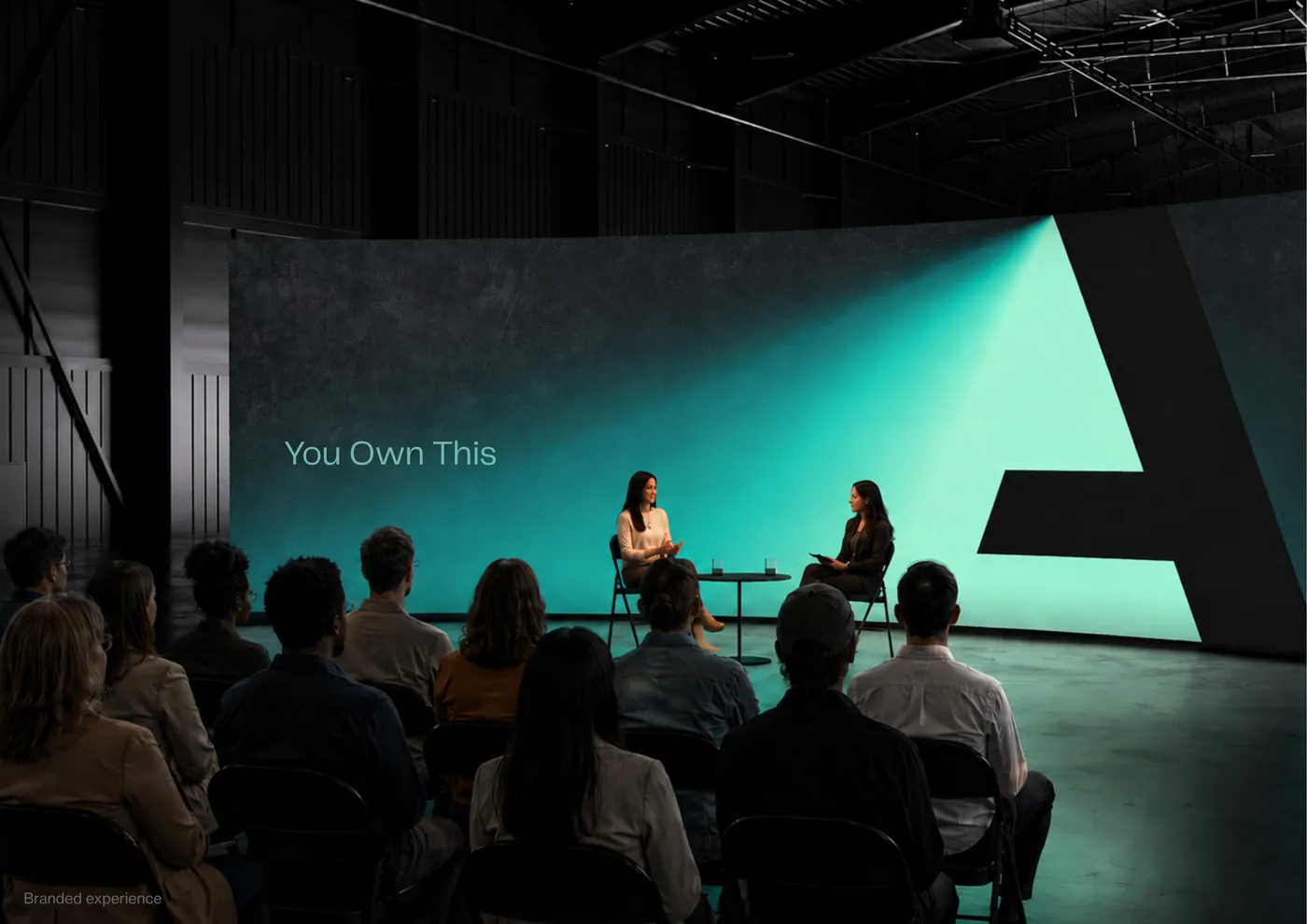
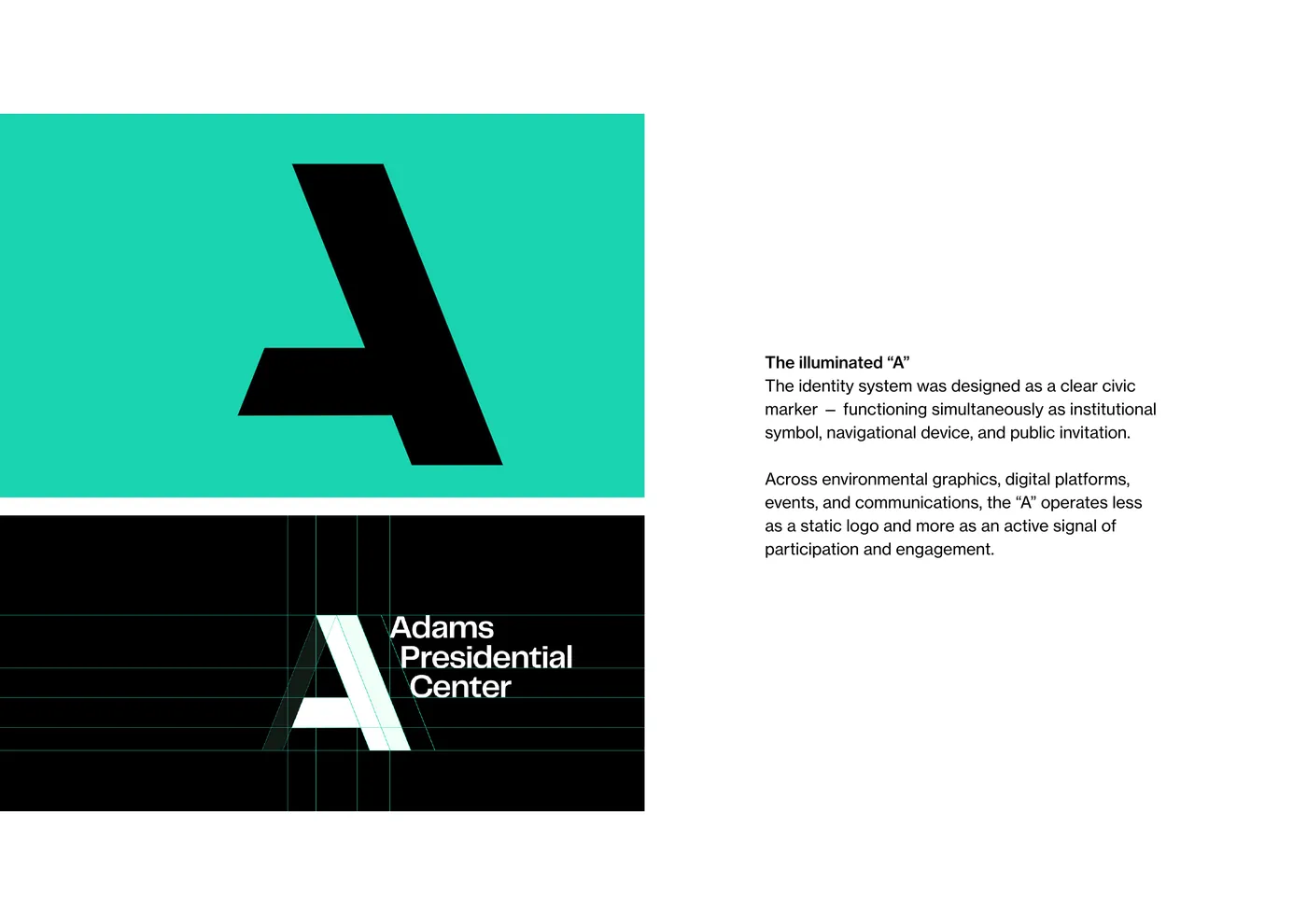
The illuminated A
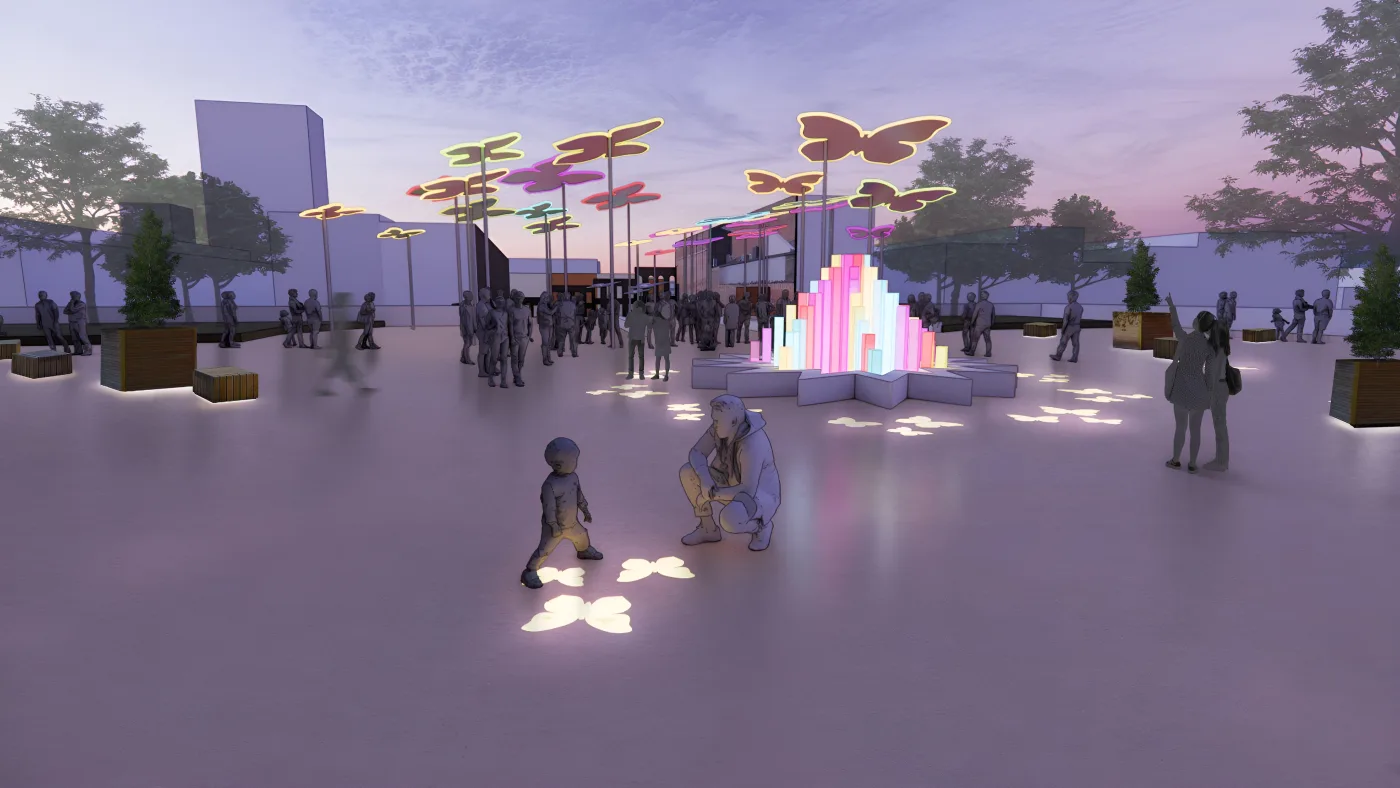
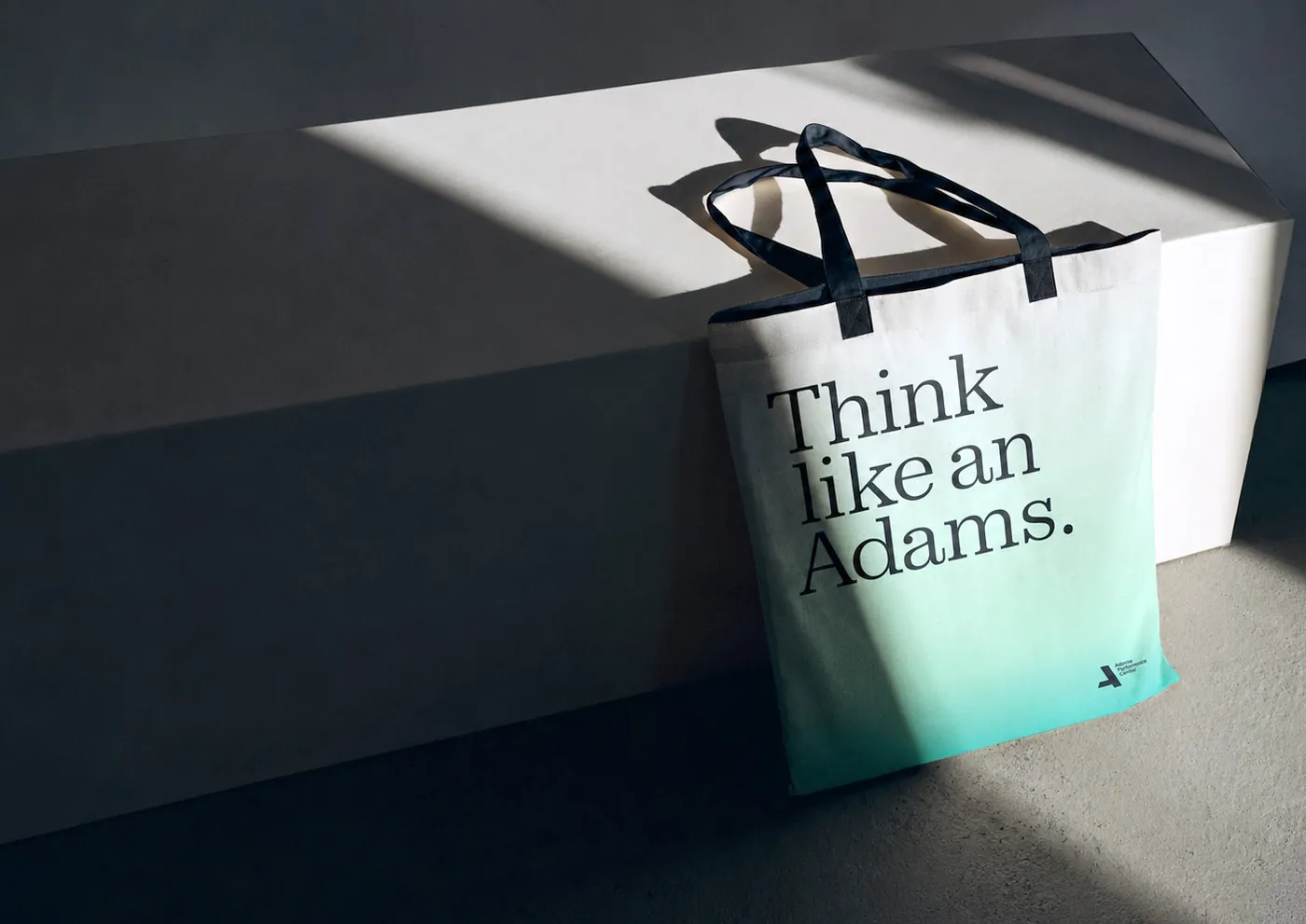
The identity centers on an illuminated “A”: a civic marker, an institutional symbol, a navigational device and a public invitation, all at once.
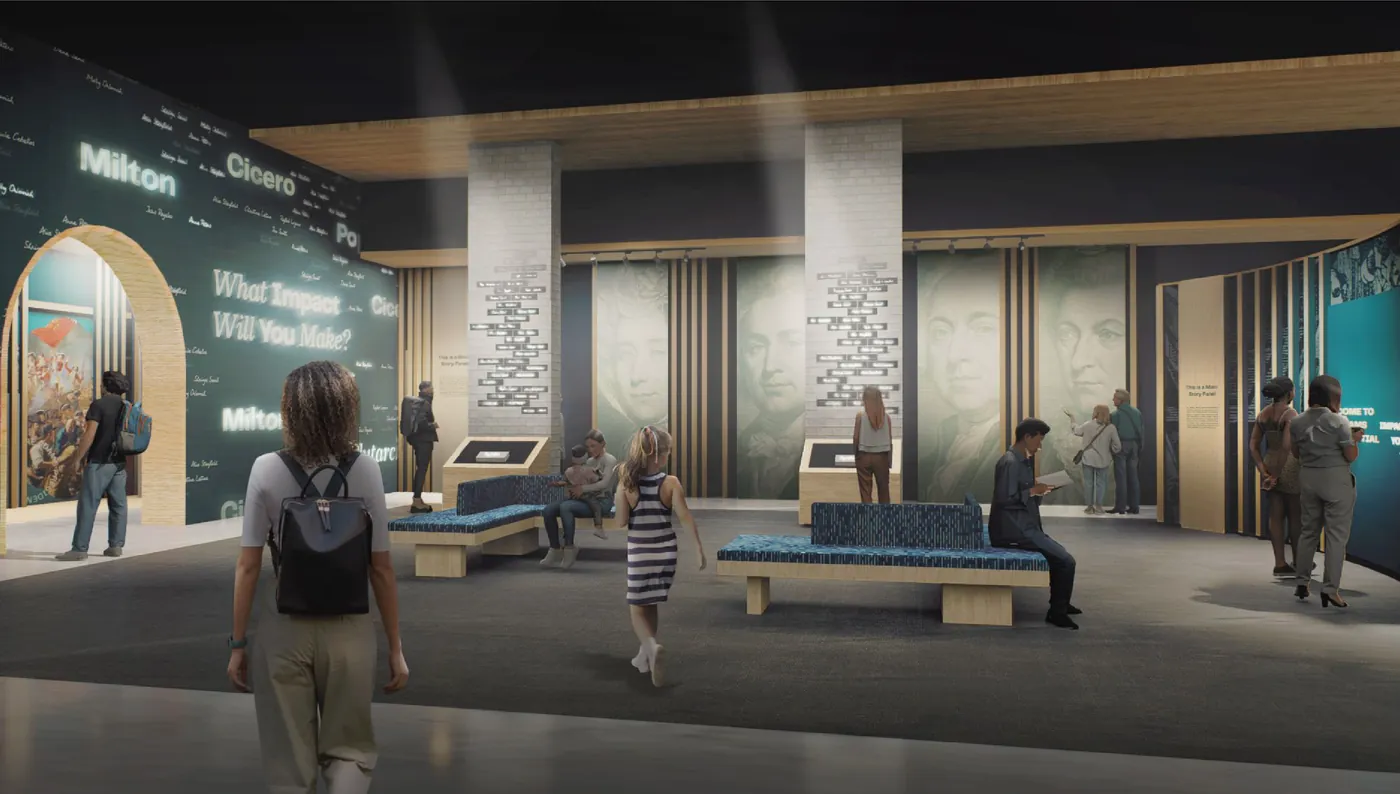
A civic workshop
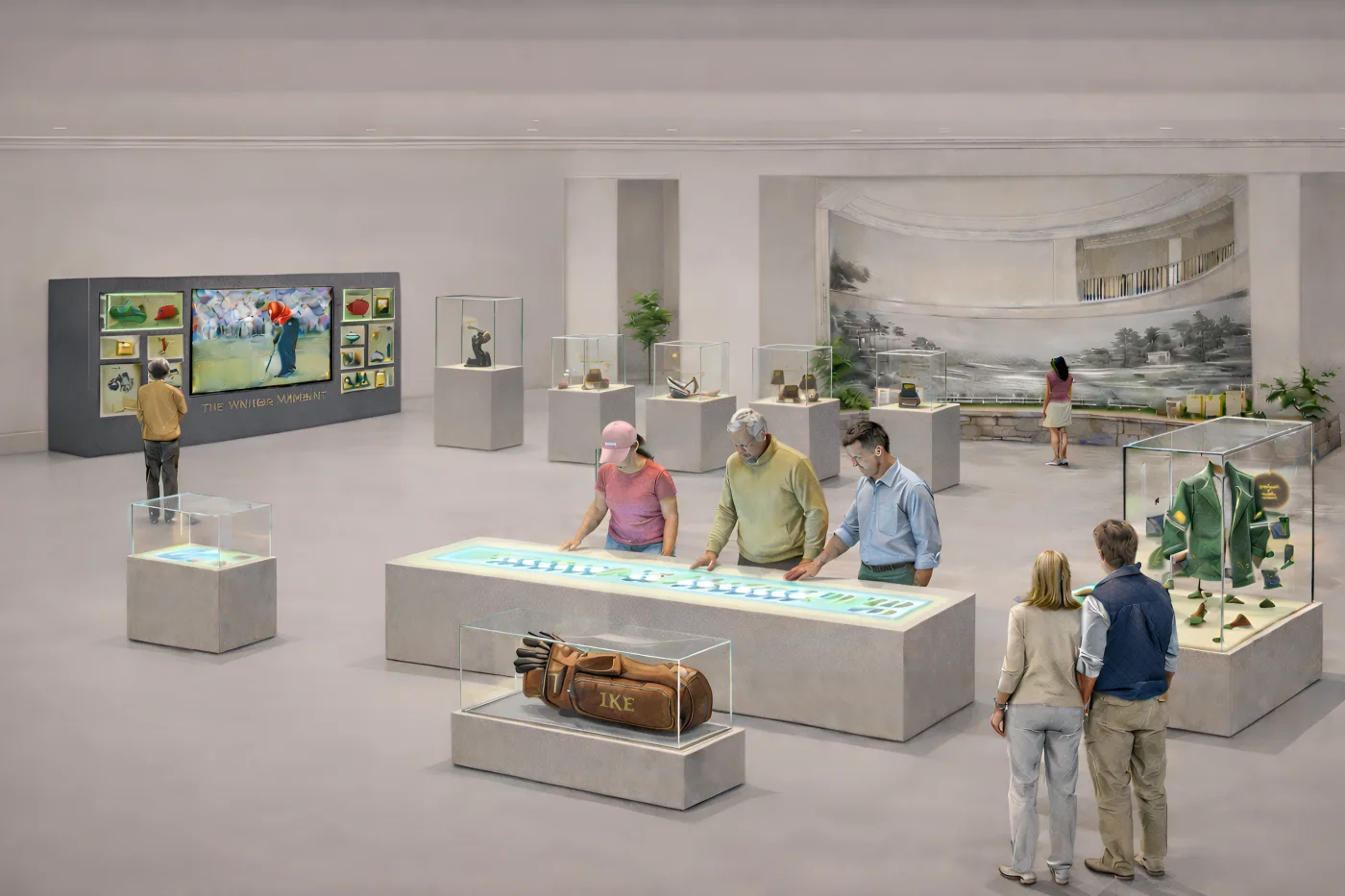
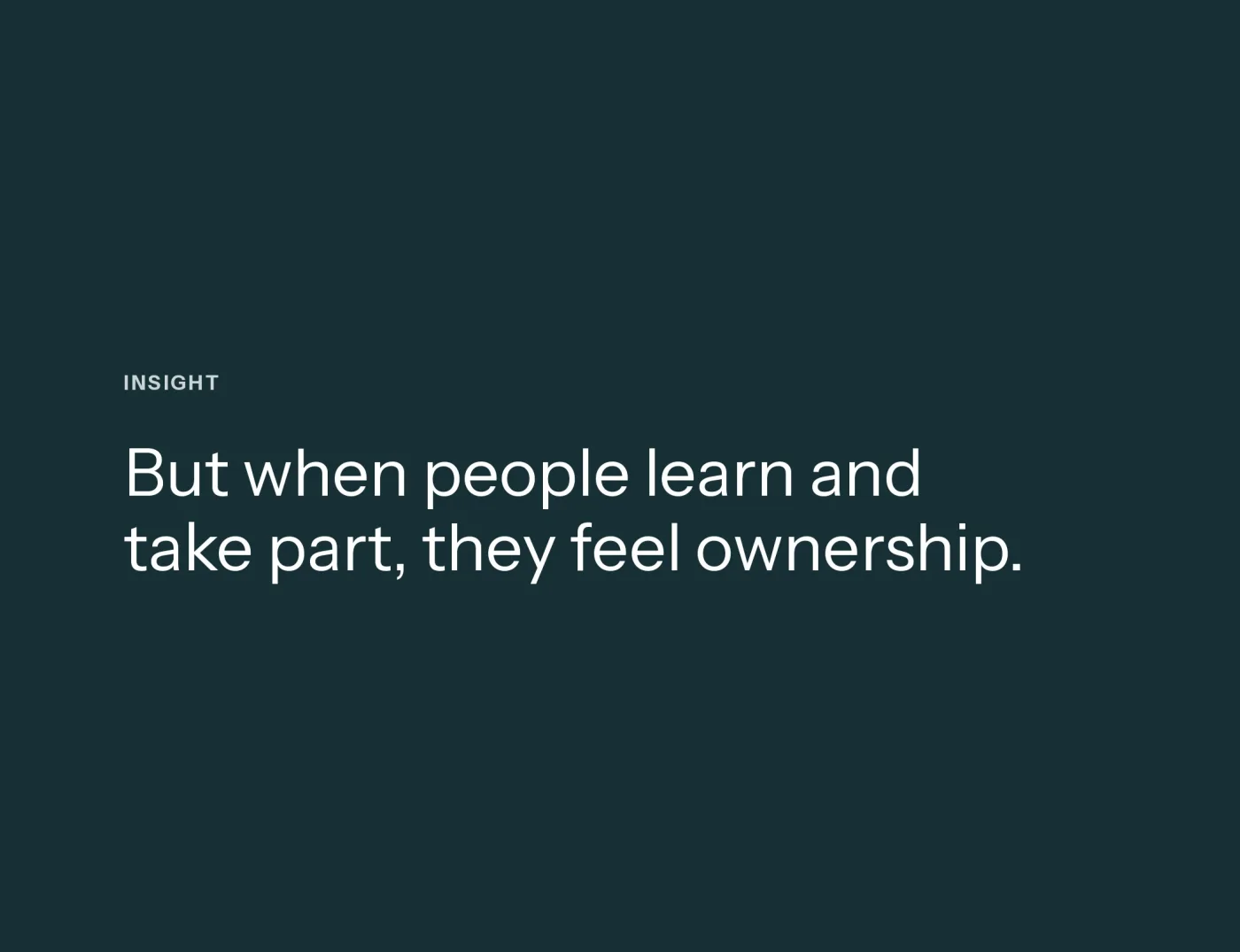
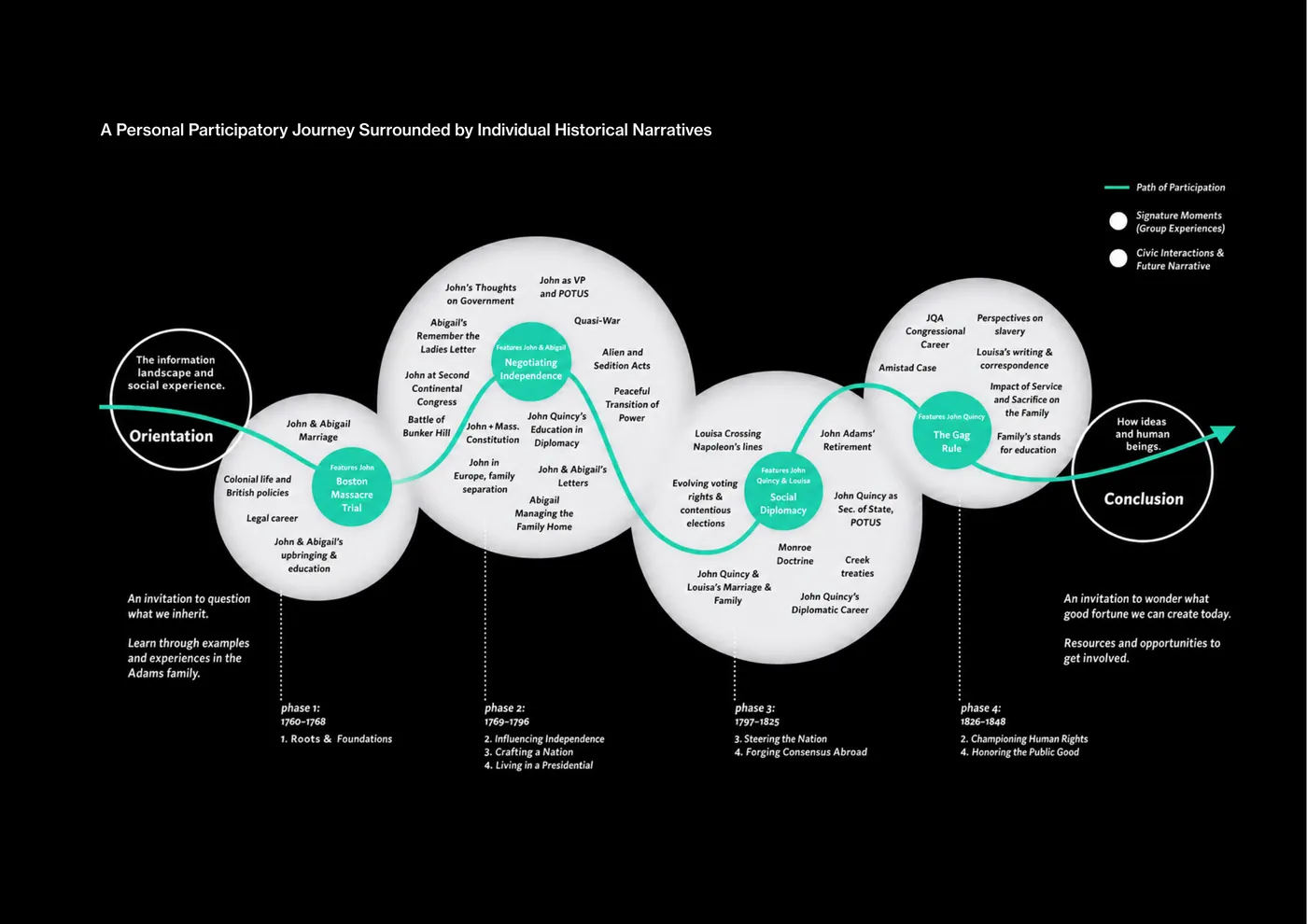
The museum is a civic workshop: an unfolding journey rather than a finished history. The first act is small. Visitors trace their name into a brick and add it to a wall built by everyone who came before. The story of John, Abigail, John Quincy and Louisa Catherine wraps each gallery, and at the center visitors try the skills democracy runs on.
“Democracy is not a spectator sport.”
The choices they faced
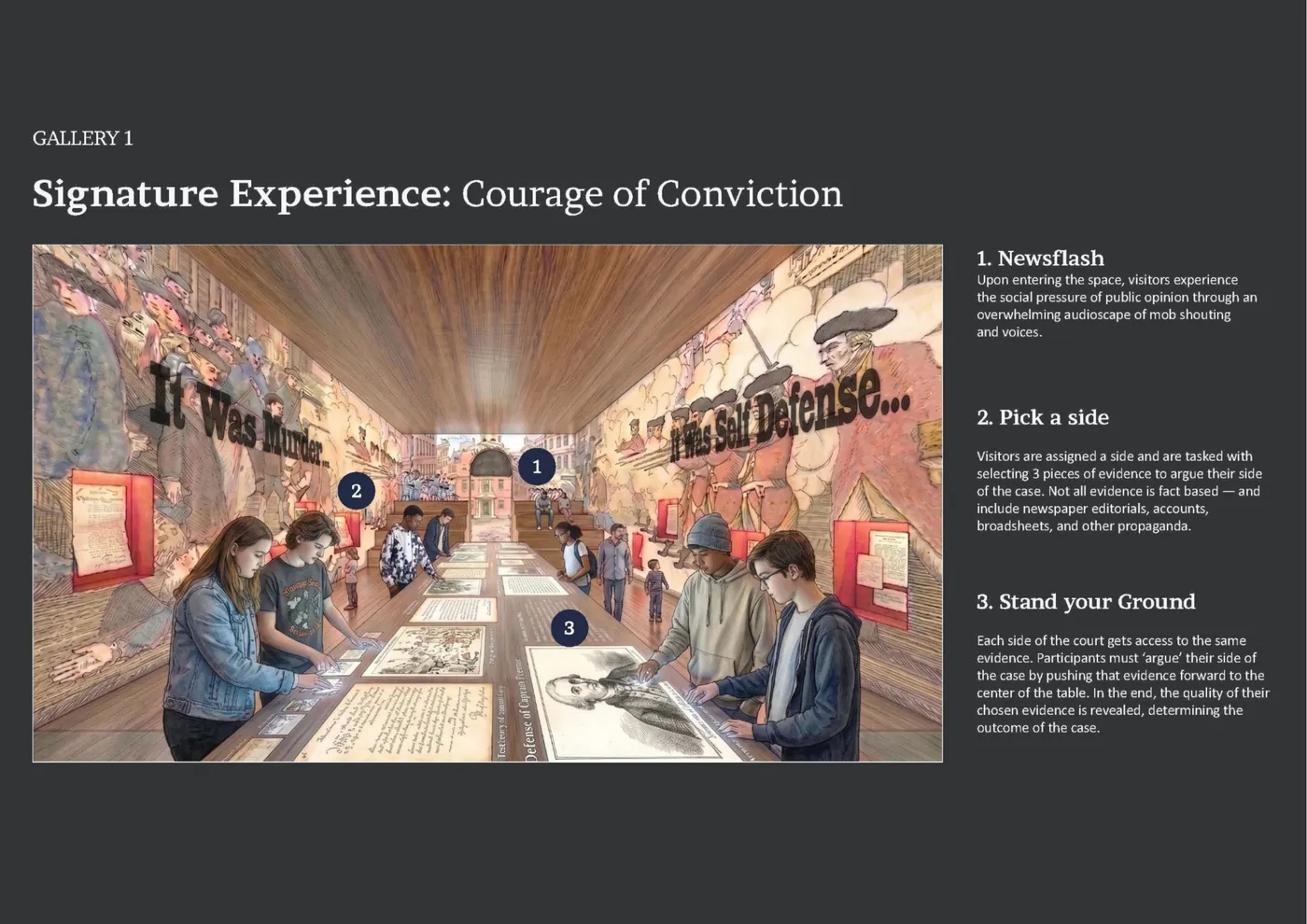
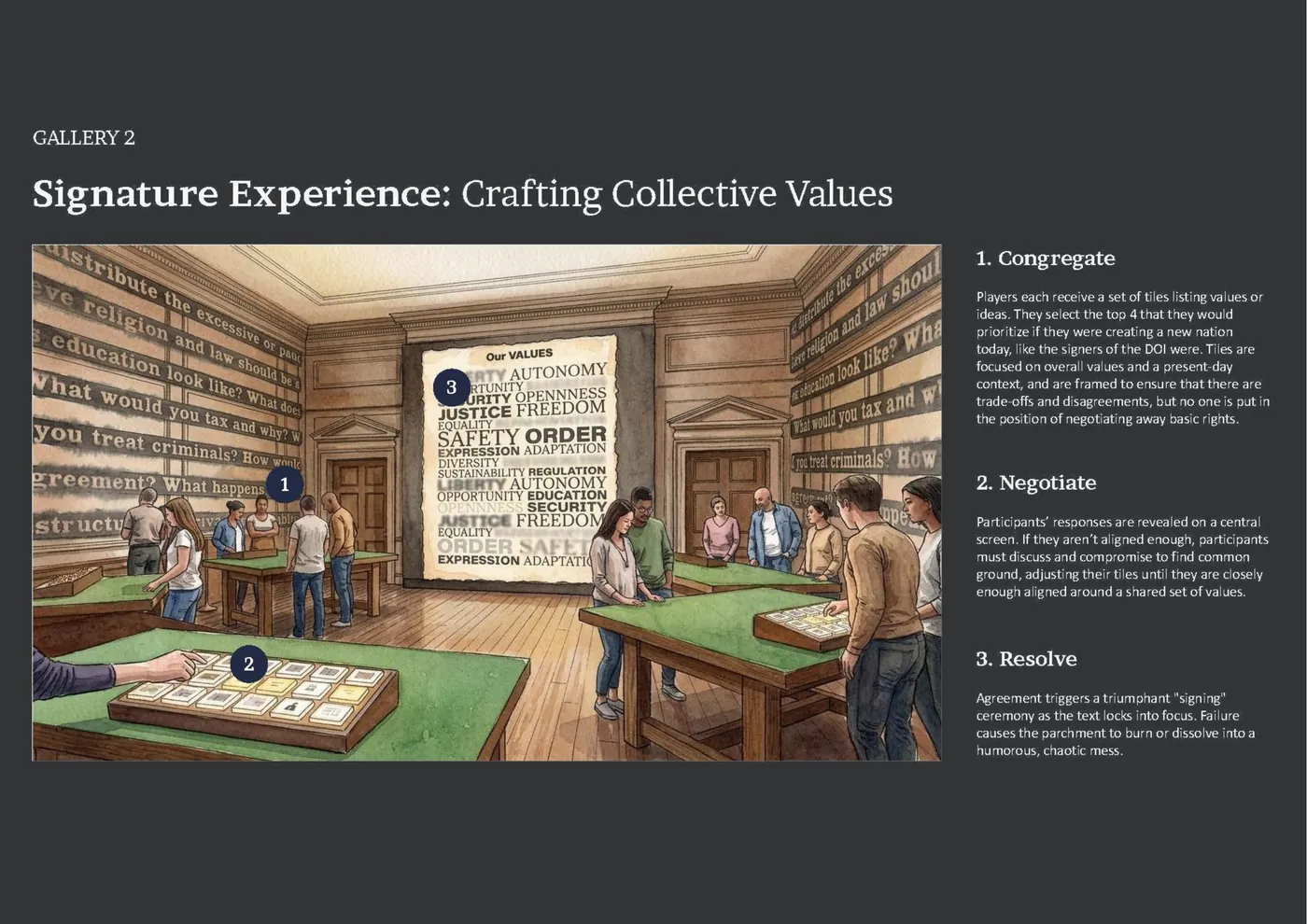
Each gallery turns on a moment when an Adams had to choose, and on the value behind it: duty, liberty, knowledge, equality. John defends British soldiers after the Boston Massacre, and visitors weigh the evidence against the noise of the crowd. Strangers negotiate shared values the way the Declaration’s signers did. John Quincy and Louisa read the room at the Russian court. After the fight over the gag rule, visitors write petitions of their own and cosign each other’s.
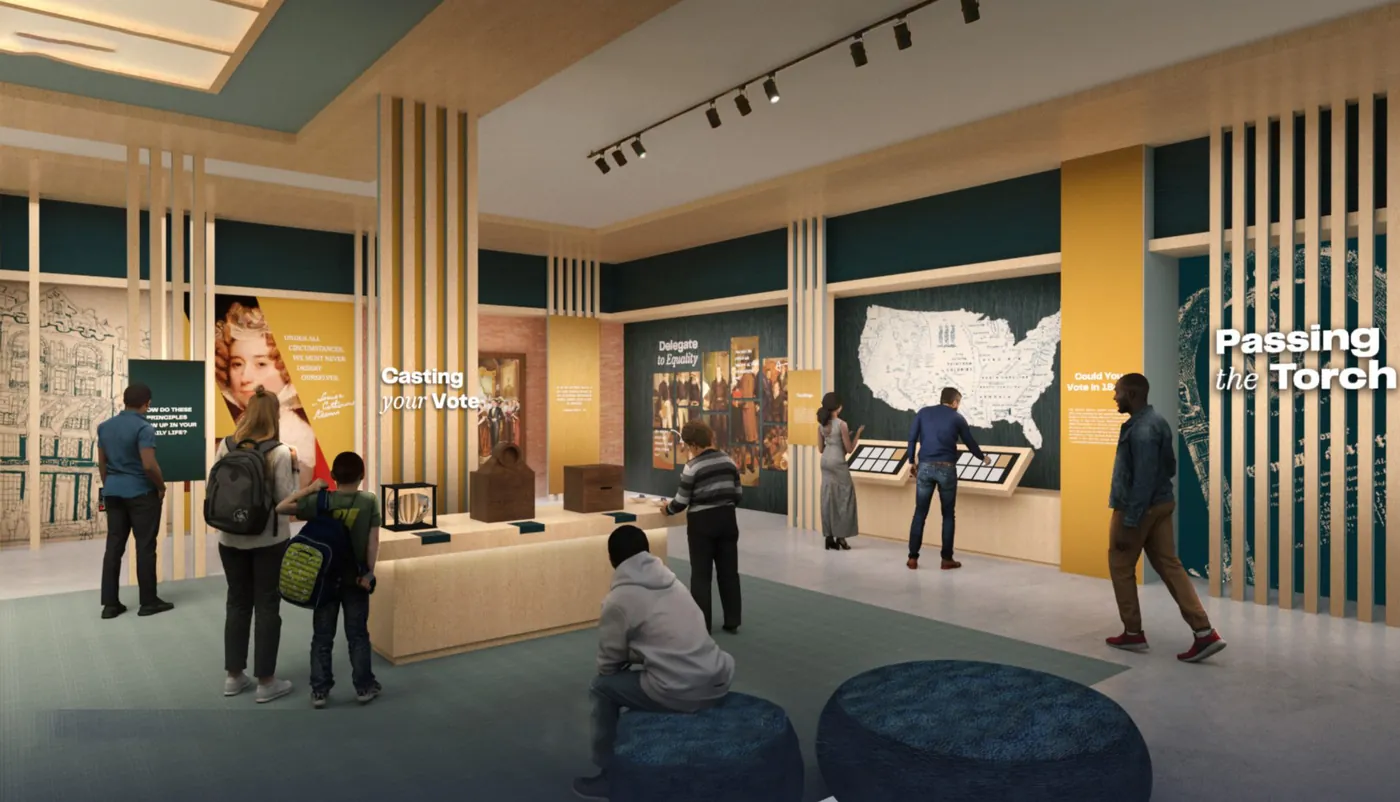
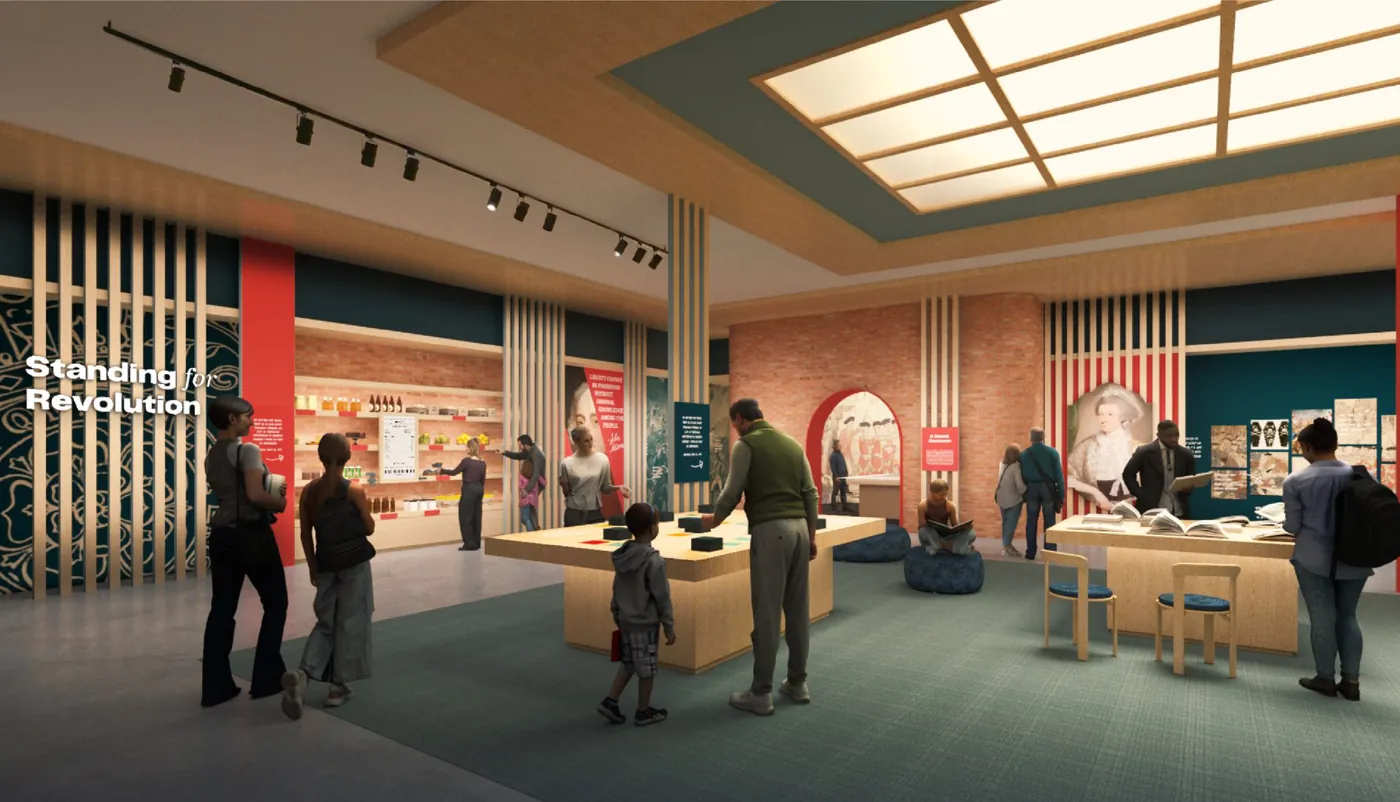
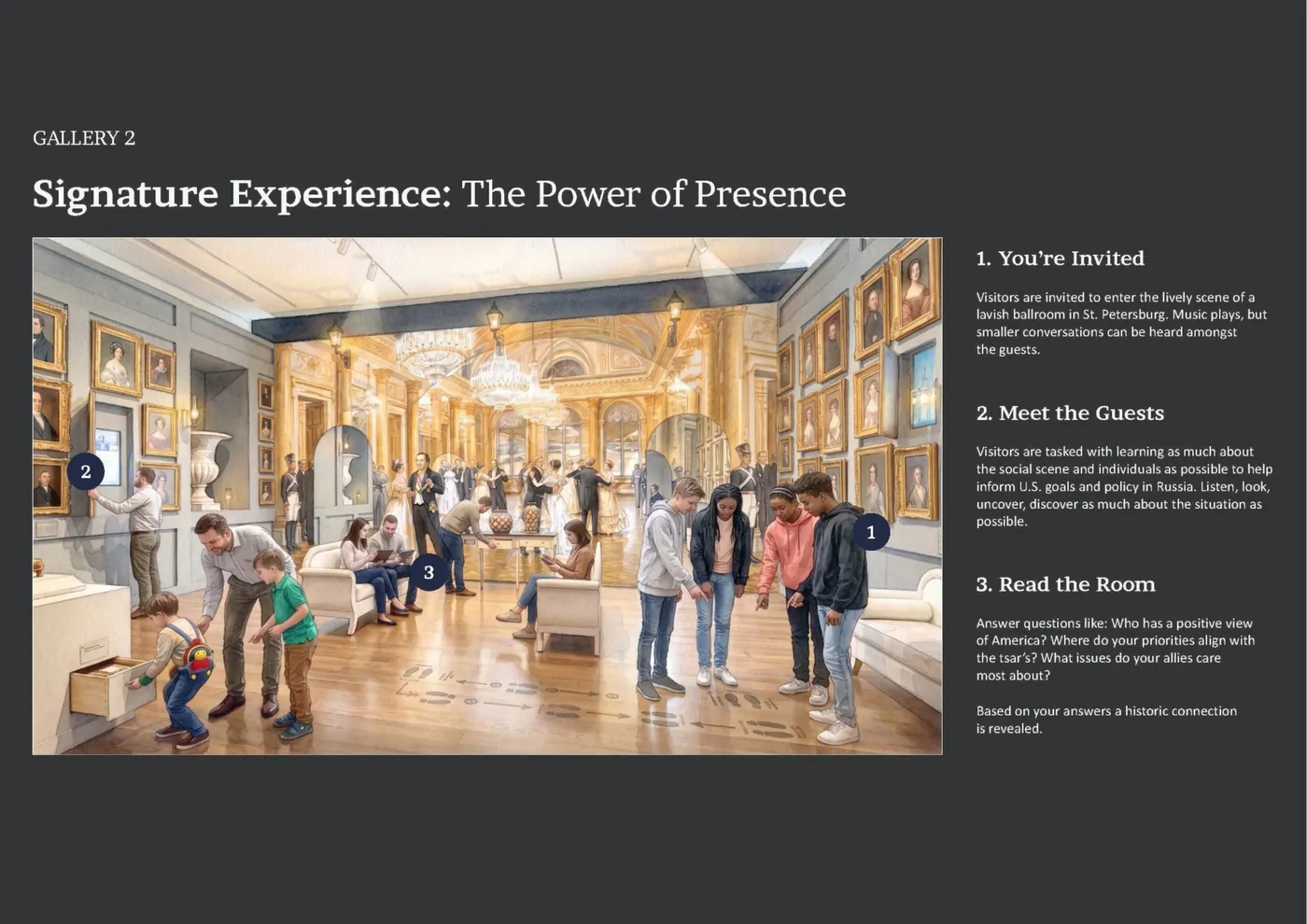
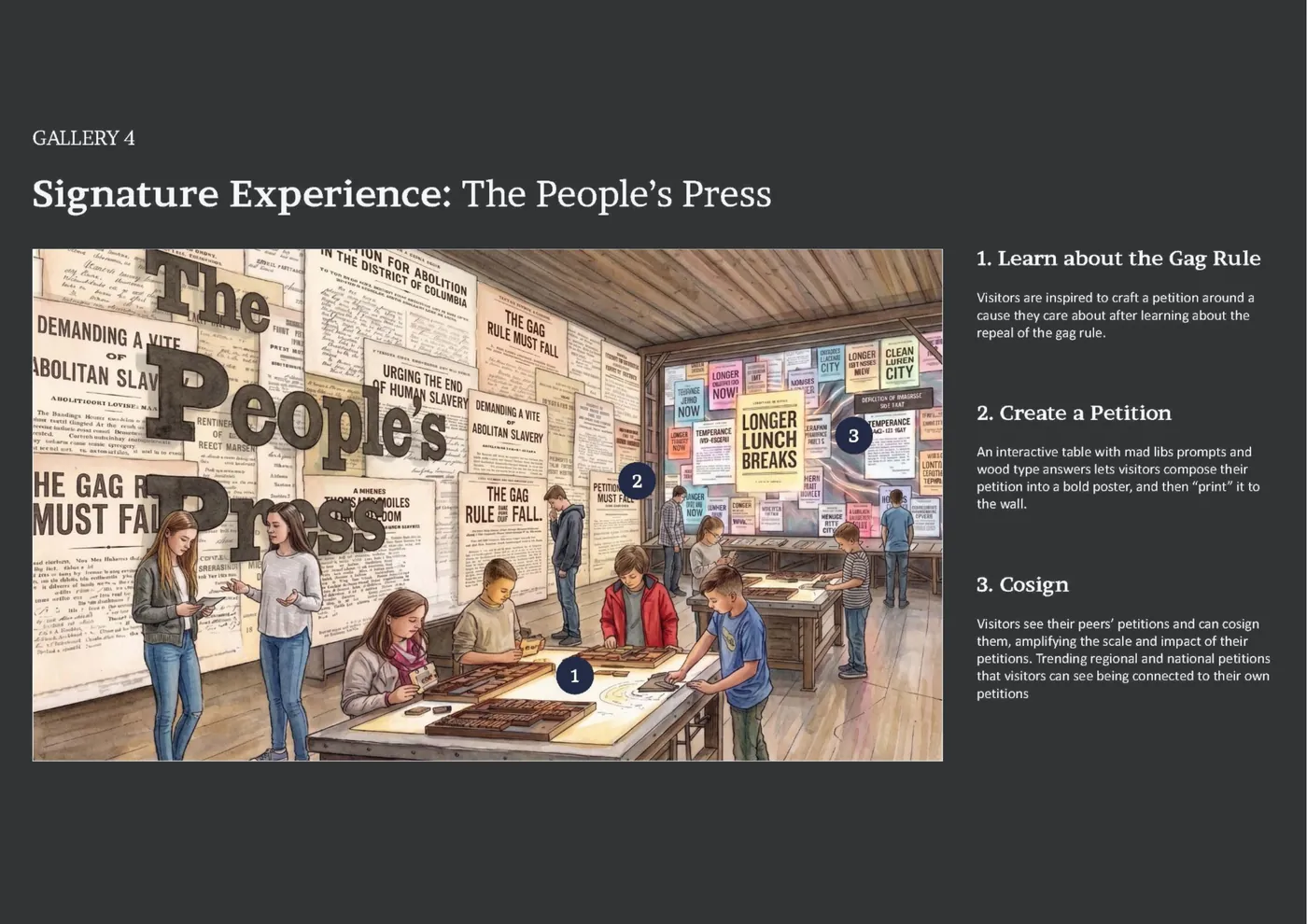
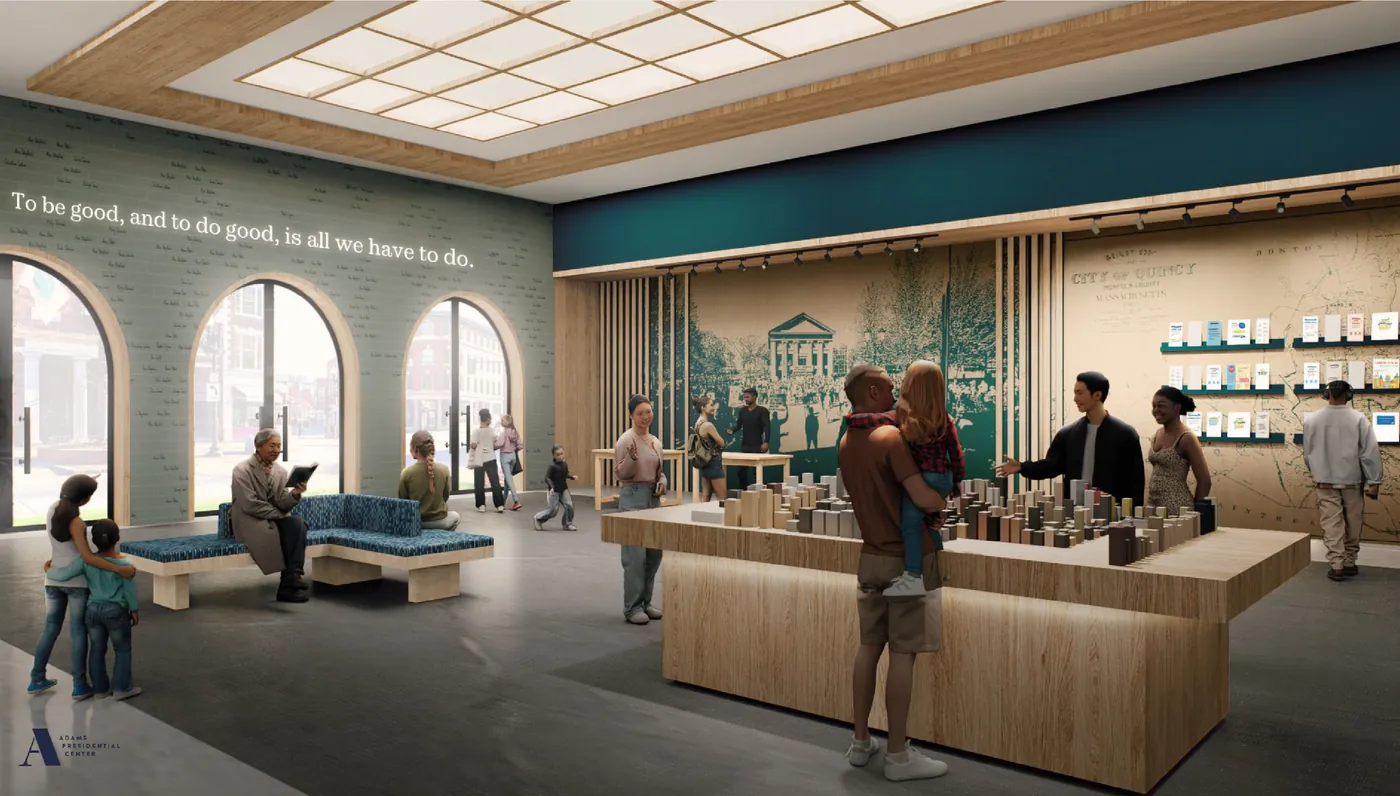
Room to breathe
Not every moment asks for input. Quiet spaces between galleries give families and school groups room to sit, talk and take it in. The final gallery turns to the present: real neighbors already doing civic work, from founding an organization to shoveling a neighbor’s driveway, and concrete ways to join them.
Beyond the building
The experience is a framework, not a one-off installation. The same principles can run a central museum or travel to where people already are: classrooms, transit hubs, mobile experiences in the community. The building is one place to meet democracy, not the only one.